A disciplined, London-focused examination of how hotels should select linen and bedding that balance durability, care, and guest comfort. This article weaves climate-informed decisions with performance-focused fabrics from trusted brands, offering procurement rules of thumb for high-turnover environments and the realities of daily laundering in the capital city.
London’s climate—characterized by damp air, seasonal temperature shifts, and the city's iconic humidity—places unique demands on hotel linen. In hospitality, linen is more than a surface; it is a front-line material that influences guest perception, comfort, and operational efficiency. The goal is not merely to stock durable fabrics; it is to curate a system that breathes with the guest experience. The procurement decision becomes an exercise in balancing three pillars: durability under frequent laundering, ease of care across diverse hotel operations, and a calm, hotel-worthy aesthetic that aligns with brand identity.
Modern hospitality linen must withstand repeated wash cycles, resist pilling, maintain colorfastness, and provide a comfortable, temperature-regulating surface for guests. To meet these criteria in London’s busy venues, hoteliers increasingly rely on linens with proven performance: linen blends and cotton-linen hybrids, stone-washed linens for softness, and percale or sateen weaves that balance airflow with a smooth feel. The procurement strategy, then, hinges on selecting the right fabric weights, weaves, and care protocols that optimize guest comfort while ensuring operational resilience.
London hotels face a spectrum of procurement realities: properties with high turnover, uniform guest expectations, and the need for consistent linen performance across seasons. Below, we compare selections from four brands frequently cited in London hospitality procurement narratives: Naturepedic, Coyuchi, Libeco, and the DownTown Company. Each brand offers distinctive approaches to weight, weave, and care that align with different hotel segments and operational capabilities.
GOTS-certified organic flax linen, woven in Portugal, with a weight that drapes with a breathable, temperature-regulating hand. Their linen sheets are designed for long-term durability and a soft texture that improves with washing. The looser weave in linen supports airflow and reduces heat buildup in warmer months, a frequent London hotel concern.
Key strengths: Breathability, temperature regulation, and sustainable sourcing.
European-grown flax linen, woven with a washed finish that softens over time. Coyuchi emphasizes GOTS-certified organic fibers sourced across Europe, with finishes designed to balance the linen’s natural texture and high moisture management.
Key strengths: Organic integrity, wash-friendly texture, and timeless aesthetics.
Belgian linen with a refined texture and matte luster, offering temperature regulation and durable performance. In a London setting, Libeco’s linen is a nod to classic European craftsmanship that elevates guest rooms with quiet luxury.
A lightweight comforter with a cotton-linen fill and Aloe Vera finish cover. This choice blends breathability with a soft touch, ideal for London’s year-round use where summer heat and winter coolness intersect.
The evolution of linen in hospitality and textile design is a tapestry woven by innovators, artisans, and pioneers across centuries. Here are three figures from different eras whose contributions illuminate how linen performance, craft, and ethics inform modern hotel procurement in London.
A German-born figure representative of early European textile trade networks, Hartmann’s era underscored linen’s central role in daily life and hospitality. His work highlights the durability principles underlying early linen production: strong fibers, tight weaves, and enduring finish practices that informed later laundering expectations.
An innovator in textile design who bridged artisan craft with mass production, Izquierdo’s era emphasized texture and colorfast finishes. Her influence resonates in modern hospitality linen choices that favor neutral palettes and durable finishes capable of withstanding frequent washing while maintaining a calm, refined appearance.
Though better known for advocacy in sustainability, Klein’s work informs contemporary hotel procurement emphasis on ethical sourcing and environmental accountability. In today’s London hotels, linen procurement often aligns with sustainability criteria, lifecycle considerations, and transparent supply chains inspired by broader social movements.
To translate the brand-driven material insights into actionable procurement, hospitality leaders should adopt a concise decision framework that guides weight, weave, and care choices for busy properties.
For teams tasked with outfitting London’s hotel rooms, here is a compact procurement checklist that integrates the insights presented above:
The proposed London Linen Resources & Guides concept centers on a neutral, authoritative voice that speaks to hospitality professionals, designers, procurement teams, and linen enthusiasts seeking practical counsel rather than direct sales. This editorial approach positions the site as a trusted, evidence-based hub for London-based linen procurement—an indispensable companion for hotels that aim to elevate guest comfort through durable, well-crafted textiles.
To sustain credibility, the content must be grounded in credible sourcing, transparent recommendations, and a clear framework for evaluating fabrics. In practice, the site should feature vendor-neutral profiles, care guides, and standards-oriented content that supports procurement decision-making while preserving a distinctly London focus.
London’s hotels operate at the intersection of tradition and modernity. Linen—whether linen, cotton-linen blends, or cotton percale/sateen—remains a material of quiet influence, setting the stage for guest comfort while withstanding the rhythms of daily cleaning and maintenance. By embracing a procurement philosophy that prioritizes durability, care, and neutrality, London’s hospitality sector can sustain linen programs that are not only resilient but also elegantly understated.
In this context, the London Linen Resources & Guides site should serve as a living, evolving record of best practices, standards, and supplier-neutral insights—a resource that endures as London evolves, just as linen endures through time.
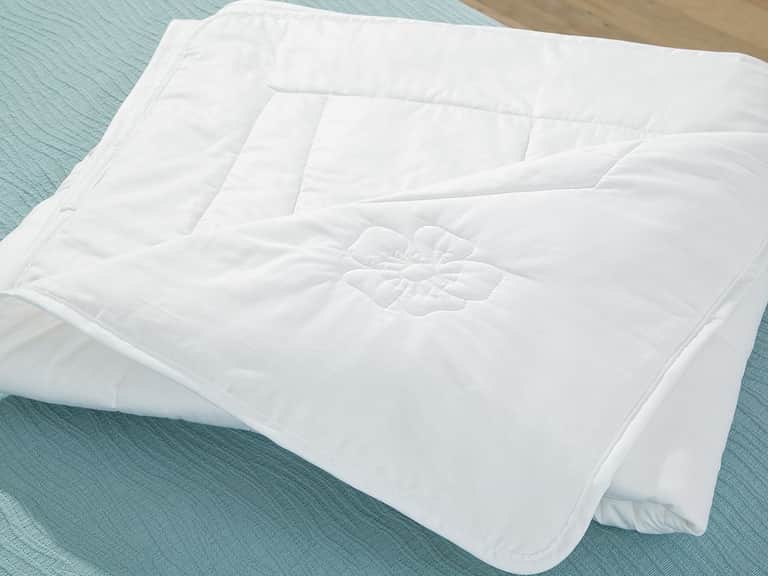
A lightweight comforter with cotton-linen fill, designed to regulate temperature and wick moisture for a cool, dry sleep. The Aloe Vera finished cotton sateen cover adds a soft touch, making it an ideal year-round layer for London’s climate.
Price: 631.00
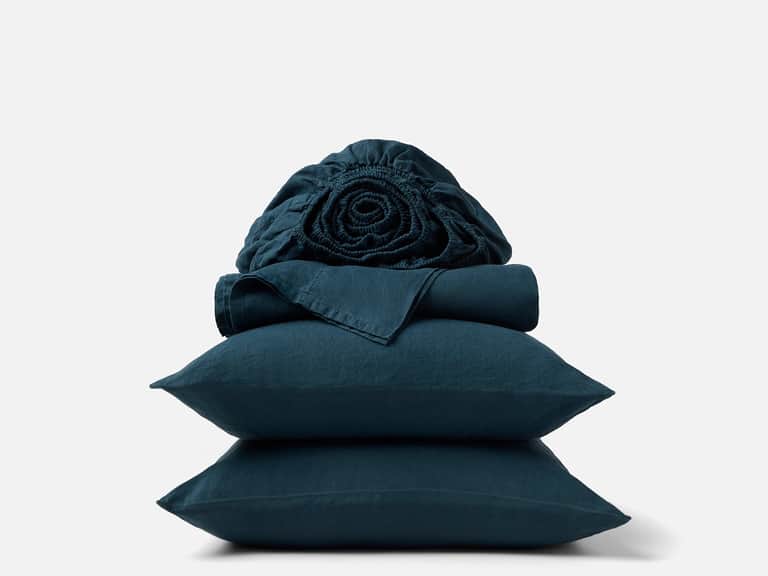
A 100% flax linen sheet set, stone-washed for instant softness and breathability. This collection pairs with Layla linen duvet covers and shams for a cohesive, breathable bedroom environment.
Note: Linen performance improves with washing; care required per label.
Images and product details reflect sample product descriptions from the provided catalog, displayed to illustrate real-world procurement choices.