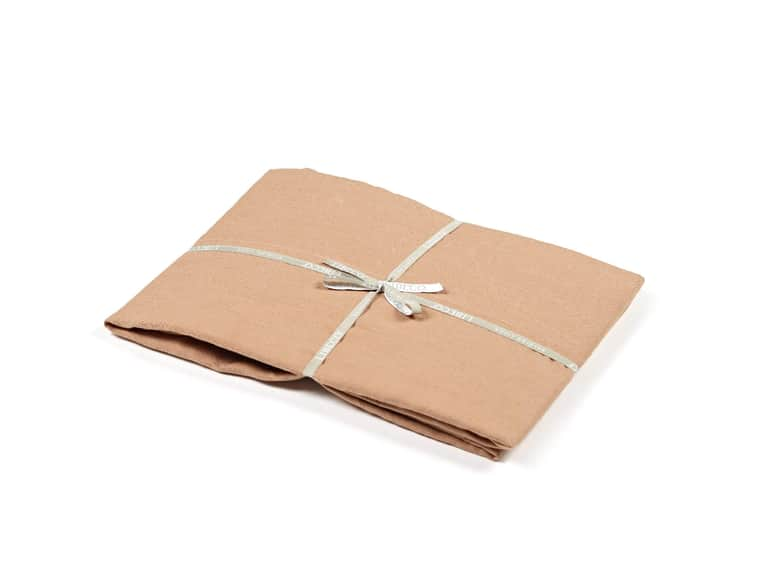
Pillowcase guide
Silk Pillowcases Compared: What to Know About Gingerlily’s Options
A silk pillowcase can feel like a small change, but its weight, shape and fastening determine how it behaves night after night. Here’s how to compare key details in Gingerlily’s Ebury, Ashdown and Rattan Blue Oxford pillowcases—and choose a design that suits your pillow, bedding and laundry routine.
Published 18 November 2026
In a bedroom, the pillowcase is one of the textiles in closest contact with the sleeper. It is folded, pressed, washed and slept on, and its details matter more in daily use than they may at first appear. With silk, the smooth surface catches the light; the practical questions are less visible. How heavy is the fabric? Will the case fit the pillow? Does its border change the way it sits on the bed? And what kind of care will keep it in good condition?
Gingerlily’s options described here share a useful starting point: each is made from 100% mulberry silk and has an Oxford-style border and envelope closure. The Ebury and Ashdown pillowcases are specified as 19 momme, while the Rattan Blue option is also listed at 19 momme. Their distinctions lie in design, collection details and care instructions. Comparing these facts is more useful than choosing by colour alone, particularly if the pillowcase needs to work with an existing bedding set or a regular washing routine.
This guide explains how to read the specifications, check dimensions and make a practical choice. It is an informational comparison, not a promise that one silk pillowcase will suit every sleeper or deliver a particular skin, hair or health outcome.
Start with silk weight: what does 19 momme mean?
Silk weight is commonly expressed in momme, a traditional unit used to describe the density of silk fabric. It is not the same as thread count, and the two figures should not be compared as though they measure the same thing. For a pillowcase, momme offers one point of reference when considering how substantial the silk may feel, but it cannot tell the whole story of softness, drape or durability. Weave, finishing and construction also shape the experience.
All three Gingerlily pillowcases discussed here are specified at 19 momme. That gives shoppers a consistent weight specification to work from when comparing their styles. It does not mean their surface, sheen or hand will be identical: the Ebury description identifies a white pillowcase with a green wrap-around border, while Ashdown is described as an Oxford pillowcase with a 7 cm border. Rattan Blue belongs to a collaboration collection and is described as having a smooth, lustrous surface.
Use the weight as a comparison point rather than a stand-alone quality verdict. A useful checklist includes the stated fiber content, momme, dimensions, finishing and care instructions. When product information does not state a measurement or construction detail, avoid assuming it; check with the supplier before ordering if that detail affects your decision.
Three options, three design details
| Option | Details provided | Care notes provided |
|---|---|---|
| Ebury Oxford Silk Pillowcase | 100% mulberry silk; 19 momme; 7 cm Oxford border; envelope closure; white with a green border. | Delicate machine wash at no more than 30°C with mild liquid silk or delicate detergent; air dry; cool iron. |
| Ashdown Oxford Silk Pillowcase | 100% mulberry silk; 19 momme; 7 cm Oxford border; envelope closure. | Cold delicate machine wash with mild liquid silk detergent; air dry; cool iron; turn inside out before washing. |
| Rattan Blue Silk Oxford Pillowcase | 100% mulberry silk; 19 momme; Oxford style; envelope closure; part of the Gingerlily x Madeaux collection. | Delicate machine wash at no more than 30°C with mild liquid silk detergent; air dry; cool iron; turn inside out before washing. |
The table highlights a central point: small variations in the care wording deserve attention. Ebury’s instructions specify a maximum temperature of 30°C and a cool iron. Ashdown and Rattan Blue also advise a delicate cycle and air drying, and explicitly say to turn the pillowcase inside out before washing. Follow the directions attached to the particular item you buy, rather than treating one product’s care label as a universal rule for all silk.
Oxford borders: a frame around the pillow
An Oxford pillowcase has a fabric border or flange around the central area that holds the pillow. On these options, the border is described as 7 cm wide. It creates a visible frame, adding a tailored outline that can be especially noticeable against plain sheets. The border is a design feature, not a measure of the pillow’s internal size. When checking whether a case will fit, focus on the dimensions of the pillow pocket and the product’s stated size—not on the total appearance created by the edge.
A border can influence how a pillowcase looks when arranged on a bed. It may extend beyond the pillow’s edges and contribute a more finished profile, while a simple case without a flange tends to have a quieter outline. Which works best depends on the arrangement: a pair of bordered cases can make a symmetrical bed feel deliberate, whereas mixing them with plain pillowcases creates contrast without requiring a new duvet cover or sheet set.
The Ebury option has a particularly distinct visual description: white silk with a wrap-around green border, inspired by London’s historic Ebury Street. Its place-name reference is a collection detail; it does not mean the pillowcase is made in London. The product information describes the silk as 100% mulberry silk and gives its weight and construction separately. When provenance matters to you, check the stated manufacturing and material origins rather than inferring them from a design name.
Envelope closures and everyday fit
An envelope closure uses an overlapping fabric flap to help keep the pillow inside the case. Unlike a button or zip, the closure is created by the case’s folded construction. It can provide a smooth outer surface without a fastener at the opening, which may appeal to people who prefer fewer hard details near the face. The listed Ebury, Ashdown and Rattan Blue pillowcases all specify an envelope closure.
Closure style alone cannot guarantee a secure fit. The pillow’s dimensions, loft and firmness all matter. A full, high-loft pillow may fill a case differently from a flatter one of the same nominal size. Before purchasing, measure the pillow from seam to seam and compare the measurement with the seller’s listed pillowcase dimensions. Check whether the size is stated as the pillow area, the full case or a standard retail designation. If measurements are not shown, ask for clarification.
Also consider how the case will be used. A guest-room pillow may need a dependable fit through frequent bed changes, while a decorative arrangement may prioritise the Oxford border and colour. If the pillow has a distinctly non-standard shape or is unusually deep, do not assume that a familiar label such as “standard” or “king” will settle the question; verify the fit with exact measurements.
Comparing Ebury, Ashdown and Rattan Blue
The Ebury Oxford Silk Pillowcase is the clearest option for someone who wants a defined colour accent: its white ground is paired with a green wrap-around border. It is listed as 19 momme mulberry silk, with a 7 cm Oxford border and envelope closure. The stated lead time is a preorder of six to eight weeks, a practical detail worth checking if the pillowcase is needed by a particular date.
The Ashdown Oxford Silk Pillowcase is also specified as 19 momme mulberry silk, with an Oxford border and envelope closure. Its description provides detailed washing guidance, including turning it inside out before cleaning. The available information does not specify a border colour or dimensions, so confirm those points if they are important to matching a set or fitting a particular pillow.
The Rattan Blue Silk Oxford Pillowcase is part of the Gingerlily x Madeaux collection. Its description identifies a 19 momme silk construction, Oxford styling and envelope closure, and characterises the surface as smooth and lustrous. The blend of collection identity and colour makes it a design-led choice; verify the current colour presentation and available size with the supplier before ordering, as product details and availability can change.
Because their listed fiber and weight are shared, the most useful comparison is not a ranking of one as inherently superior. Consider the details that differ in your situation: the Ebury border and preorder period, the care wording for Ashdown, or the Rattan Blue collection and colour. If size and fit are decisive, request dimensions rather than guessing from the photographs or product name.
Silk care: gentle routines, clear expectations
Silk is a protein-based natural fiber, and a pillowcase’s finish and colour can be affected by how it is laundered. The safest starting point is the care label supplied with the exact item. The Gingerlily product information for the options described here advises a delicate machine cycle, mild liquid silk or delicate detergent, air drying and cool ironing. The listed maximum temperature for Ebury and Rattan Blue is 30°C; Ashdown’s guidance specifies a cold delicate cycle.
Before washing, close or arrange the envelope flap as appropriate and turn the case inside out when its instructions call for it. Wash silk with like items, avoiding rough textiles, bulky loads and garments with hooks or fasteners that could snag the surface. Use a detergent suitable for silk, following both the product care information and the detergent label. Avoid bleach and strong stain treatments unless the maker specifically confirms they are appropriate.
Air drying is specified for these options. Lay or hang the pillowcase in a suitable place away from intense direct heat, and avoid wringing it to remove water. Do not tumble dry unless the product’s own instructions explicitly permit it. If ironing is needed, use a cool setting and follow the label; test cautiously and avoid pressing with excessive heat. Store the case clean and dry, away from damp conditions and direct sunlight.
These steps can help reduce avoidable wear, but no care routine can promise a fixed lifespan. Frequency of washing, water conditions, detergent, handling, friction and the textile’s finish all influence how a pillowcase ages. Treat instructions as practical limits, not as a guarantee against every change in colour or texture.
What silk can—and cannot—promise
Silk is often chosen for its smooth feel and distinctive drape. Gingerlily’s product descriptions also refer to silk’s relationship with moisture and hair. Such descriptions should be read as material and product claims, not as a medical promise. A pillowcase cannot by itself guarantee a particular skin result, prevent hair damage or replace advice from a qualified health professional.
Comfort is personal. Some sleepers enjoy the cool, smooth surface; others may prefer the texture of cotton percale or linen. Room temperature, bedding layers, personal sensitivity and laundering preferences can matter as much as fiber. If you are sensitive to detergents or textile finishes, check the full product information and consider how you will wash the item before making a decision.
Coordinate with the bedding you already own
Silk need not match every other textile by fiber or finish. It can sit alongside cotton, linen or other bedding when colours and proportions are considered. A white Ebury case with a green border, for example, can act as a small accent against white or neutral sheets. Rattan Blue may work as a colour note among quieter layers. Rather than trying to match a shade from memory, compare product colour descriptions with the actual bedding in daylight when possible.
Think about the whole pillow arrangement: the sleeping pillow, any decorative sham, the duvet cover and the visible sheet edge. A bordered pillowcase already has a defined frame, so a simpler surrounding palette can let that detail read clearly. If the bed uses patterned sheets or a strongly coloured cover, a restrained pillowcase may provide balance. These are styling choices, not rules; the practical priorities remain correct size and care compatibility.
A checklist before you choose
- Confirm the fiber: the Gingerlily options discussed here are specified as 100% mulberry silk.
- Compare weight consistently: each is listed at 19 momme; do not confuse momme with thread count.
- Check the construction: note the 7 cm Oxford border where stated and the envelope closure.
- Measure your pillow: confirm the case dimensions and pillow size with the supplier, especially for unusual shapes or lofts.
- Read the item-specific care instructions: temperature guidance varies in wording, and the label supplied with your purchase takes priority.
- Plan for drying: the listed guidance calls for air drying, so consider whether that suits your laundry routine.
- Check colour and timing: confirm current availability, colour details and any lead time before ordering.
A silk pillowcase is a considered textile choice: its appeal rests not only on sheen, but on the way its construction fits into a household’s habits. Gingerlily’s Ebury, Ashdown and Rattan Blue options share a 19 momme specification, Oxford styling and envelope closure, yet differ in design cues and details in their care information. Compare those facts with your pillow measurements, preferred look and willingness to handle delicate laundry. The result is a more confident choice—and a pillowcase selected for the nights and wash days it will actually encounter.